garrison carbon monoxide detector manual
Garrison Carbon Monoxide Detector Manual: A Comprehensive Guide
This manual provides essential guidance for Garrison CO detectors, ensuring home safety against this silent killer, referencing recalls like New Cosmos USA’s DeNova models․

Understanding Carbon Monoxide
Carbon Monoxide (CO) is a colorless, odorless, and tasteless gas, making it exceptionally dangerous․ It’s a byproduct of incomplete combustion of fuels like natural gas, propane, oil, and wood․ The Centers for Disease Control and Prevention (CDC) highlights that CO causes hundreds of unintentional deaths annually․
Because you cannot detect it with your senses, a reliable CO detector, like those from Garrison, First Alert, Kidde, Siterwell, and Universal Instruments, is crucial for safety․ Understanding its origins – faulty furnaces, gas appliances, or even running cars – is the first step in prevention․ Proper ventilation and regular appliance maintenance are also vital components of a comprehensive safety strategy․
What is Carbon Monoxide (CO)?
Carbon Monoxide (CO) is a chemical compound formed when carbon-containing fuels are burned incompletely․ It’s a poisonous gas, meaning it interferes with the blood’s ability to carry oxygen․ This oxygen deprivation affects vital organs like the brain, heart, and lungs․
Unlike smoke or fire, CO is invisible, odorless, and tasteless, earning it the nickname “the silent killer․” Exposure can occur from various sources, necessitating the use of a detector like a Garrison model․ Understanding CO’s properties – its density being slightly less than air, causing it to rise – is important for optimal detector placement․ Early detection is paramount to preventing serious health consequences or fatalities․
Sources of CO in the Home
Carbon Monoxide (CO) can originate from numerous household sources, particularly those involving combustion․ Malfunctioning fuel-burning appliances are primary culprits, including furnaces, water heaters, stoves, and fireplaces․ Improper ventilation of these appliances significantly increases CO risk․
Portable generators, when used indoors or in partially enclosed spaces, pose a severe threat․ Additionally, running vehicles inside attached garages can quickly lead to dangerous CO levels․ Blocked chimneys or flues also contribute to CO buildup․ Even charcoal grills used indoors are extremely hazardous․ A Garrison CO detector provides crucial protection against these often-unseen dangers, safeguarding your family’s health․
Symptoms of CO Poisoning
Carbon Monoxide (CO) poisoning presents with a range of symptoms, often mimicking the flu, making early detection critical․ Initial symptoms include headache, dizziness, weakness, nausea, and vomiting․ As CO levels increase, more severe effects manifest, such as confusion, blurred vision, rapid heart rate, and difficulty breathing․
Prolonged exposure can lead to loss of consciousness, brain damage, and ultimately, death․ Infants, pregnant women, and individuals with pre-existing heart or respiratory conditions are particularly vulnerable․ A Garrison CO detector is vital because CO is odorless and colorless, meaning symptoms may be the first indication of a dangerous leak․ Prompt action based on detector alerts can save lives․

Garrison CO Detector Features & Specifications
Garrison detectors offer varied models, utilizing advanced sensor technology, digital displays, and both battery and AC power options for reliable CO monitoring․

Model Numbers & Compatibility
Garrison offers a range of carbon monoxide detectors, each designed with specific features to cater to diverse home safety needs․ While detailed model-specific information requires referencing the individual product packaging or the Garrison website, common models include battery-operated units for basic protection and AC-powered detectors with battery backup for continuous monitoring․
Compatibility is a key consideration; Garrison detectors are generally designed to function independently and do not typically integrate with complex smart home systems without additional adapters․ However, some newer models may offer compatibility with certain alarm systems․ It’s crucial to verify compatibility before integrating a Garrison detector with an existing security setup․ Always ensure the detector is certified to meet relevant safety standards, like those established by UL (Underwriters Laboratories)․
Power Source Options (Battery, AC)
Garrison CO detectors provide flexibility in power options, offering both battery-powered and AC-powered models to suit different installation preferences and needs․ Battery-operated detectors are ideal for locations without readily available electrical outlets, providing portability and ease of installation․ However, regular battery checks and replacements are crucial for continuous protection․
AC-powered detectors, often with battery backup, offer reliable, uninterrupted operation; The battery backup ensures continued functionality during power outages, a critical safety feature․ When selecting a power source, consider the detector’s placement and the potential for power disruptions․ Always follow the manufacturer’s recommendations regarding battery type and replacement frequency to maintain optimal performance and reliability․
Digital Display & Alarm Levels
Garrison CO detectors often feature a digital display providing real-time CO concentration readings in parts per million (PPM)․ This allows users to monitor CO levels and understand the severity of potential threats․ Alarm levels are programmed to meet or exceed established safety standards, typically triggering at 70 PPM for a period of 60-240 minutes, and escalating to continuous alarm at higher concentrations like 150 PPM․
Understanding these levels is crucial; a low-level alarm indicates a potential issue requiring investigation, while a continuous alarm demands immediate evacuation․ The display also often indicates detector status, such as battery life or sensor functionality, ensuring proactive maintenance and reliable operation․ Refer to your specific model’s documentation for precise alarm thresholds․
Sensor Technology Used
Garrison carbon monoxide detectors primarily utilize electrochemical sensors, recognized for their accuracy and reliability in detecting CO gas․ These sensors work by measuring the electrical current change when CO molecules interact with a chemical compound within the sensor․ This technology offers a swift response time and minimizes the risk of false alarms compared to older sensor types․
The electrochemical sensors employed by Garrison are designed for a lifespan of several years, but their performance gradually diminishes over time, necessitating detector replacement as per the manufacturer’s recommendations․ Regular testing ensures the sensor remains functional and provides accurate readings, safeguarding against undetected CO leaks․

Installation & Placement
Proper installation is crucial for effective CO detection; place detectors on each level of your home and near sleeping areas for optimal safety․
Recommended Placement Locations
Strategic placement maximizes the effectiveness of your Garrison CO detector․ Install one on every level of your home, including the basement․ Crucially, position detectors near sleeping areas – outside bedrooms and in hallways․ CO is slightly lighter than air and can disperse throughout a home, but concentrations may vary․
Avoid obstructed areas like behind furniture or curtains, which can impede airflow and delay detection․ Do not install in excessively humid locations like bathrooms or near cooking appliances, as these can trigger false alarms․ Follow manufacturer guidelines for specific mounting height recommendations, generally between 5 and 10 feet from the floor․ Prioritize locations where occupants spend significant time․

Mounting Instructions (Wall, Ceiling)
Proper mounting ensures reliable operation of your Garrison CO detector․ For wall mounting, use the provided screws and anchors, selecting a solid surface capable of supporting the detector’s weight․ Ensure the mounting location adheres to recommended placement guidelines․ For ceiling mounting, utilize the same secure fastening method, avoiding areas directly above heat sources or in the path of strong drafts․
Before securing, verify the detector is oriented correctly, allowing unobstructed airflow to the sensor․ Gently press the detector onto the mounting bracket until it clicks securely into place․ Double-check stability to prevent accidental dislodgement․ Refer to the included diagram for visual guidance․
Avoiding False Alarm Triggers
Minimize false alarms with careful placement and awareness of potential triggers․ Avoid installing the Garrison CO detector in areas with high humidity, such as bathrooms, or near sources of combustion like gas stoves, furnaces, or fireplaces․ These can release brief bursts of CO or other gases that mimic a genuine alarm․
Ensure adequate ventilation around the detector․ Dust, cleaning sprays, and even strong household odors can sometimes cause temporary sensor sensitivity․ Regularly clean the detector (see Maintenance section) to remove accumulated dust․ Be mindful of nearby appliances and activities that might generate fumes․
Operation & Testing
Regular testing of your Garrison CO detector is crucial for ensuring functionality․ Understand alarm signals – chirps indicate low battery, continuous alarms signal danger․
Testing the Detector Regularly
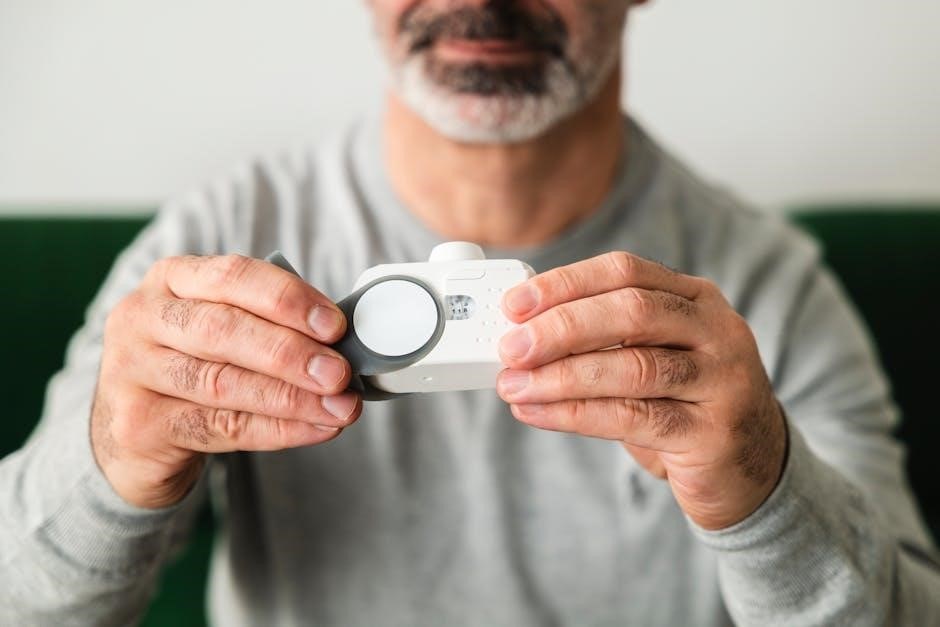
Consistent testing is paramount to verifying your Garrison carbon monoxide detector’s operational readiness․ It’s recommended to test the detector at least monthly, though more frequent checks are advisable, especially during heating seasons․ Locate the ‘Test’ button – typically prominent on the device’s face – and press and hold it․
Observe the alarm; a loud, distinct sound should immediately activate, confirming the electronic circuitry and audible alert are functioning correctly․ If no sound occurs, or the sound is weak, address the issue promptly – potentially replacing batteries or the entire unit․ Remember, a silent detector offers no protection․
Document each test date for record-keeping, aiding in tracking detector performance and adherence to safety protocols․ This proactive approach significantly enhances your home’s safety against the dangers of carbon monoxide poisoning․
Understanding Alarm Signals (Chirp vs․ Continuous)
Your Garrison CO detector communicates through distinct signals – chirps and continuous alarms – each indicating a different status․ A single, intermittent “chirp” typically signifies a low battery condition or a detector nearing its end-of-life․ Do not ignore chirps; replace the battery immediately or prepare for unit replacement․
Conversely, a loud, continuous alarm indicates the detection of dangerous carbon monoxide levels․ This is a critical emergency! Immediately evacuate all occupants and pets, and call emergency services from a safe location․
Never silence a continuous alarm without investigating the source of the CO․ Ensure proper ventilation and professional inspection before re-entering․ Familiarizing yourself with these signals is crucial for a swift and appropriate response, potentially saving lives․
Silence/Reset Button Functionality
The Silence/Reset button on your Garrison CO detector serves two distinct, yet crucial, purposes․ During a confirmed CO event, pressing this button will temporarily silence the alarm for a short period – typically several minutes․ However, silencing does not resolve the CO issue! It merely provides a brief respite while you address the source of the gas․
After addressing the CO source and ensuring the area is ventilated, use the same button to fully reset the detector․ A reset confirms the unit is functioning correctly and ready to detect future threats․
Always investigate the cause of a CO alarm before resetting․ Repeated silencing without resolution indicates a persistent problem requiring professional attention․

Maintenance & Troubleshooting
Regular upkeep, like battery checks and cleaning, ensures optimal performance․ Addressing common issues promptly maintains reliable CO detection for your family’s safety․
Battery Replacement Procedures
Ensuring your Garrison CO detector has fresh batteries is crucial for reliable operation․ First, locate the battery compartment, typically on the back or side of the unit․ Gently open the compartment and note the battery type required – usually AA or AAA․ Remove the old batteries, observing the correct polarity (+ and -) markings․
Insert new batteries, again ensuring correct polarity alignment․ A properly installed battery will often trigger a brief self-test․ Close the battery compartment securely․ It’s recommended to test the detector immediately after battery replacement using the test button․ Replace batteries at least twice a year, or when the detector signals a low battery condition with a ‘chirp’ sound․ Consider coinciding battery changes with daylight saving time as a helpful reminder․
Cleaning the Detector
Regular cleaning helps maintain the accuracy and responsiveness of your Garrison CO detector․ Dust and debris can accumulate, potentially interfering with the sensor․ To clean, begin by removing the detector from its mounting location․ Never use water, cleaning solutions, or detergents․ These can damage the internal components․
Instead, use a soft cloth or a brush attachment on a vacuum cleaner to gently remove dust from the exterior casing and the sensor vents․ Avoid applying excessive pressure․ Do not disassemble the detector beyond removing the battery compartment for battery replacement․ After cleaning, re-mount the detector securely and test its functionality using the test button to confirm proper operation․ Cleaning should be performed at least every six months․
Troubleshooting Common Issues
If your Garrison CO detector is malfunctioning, several issues might arise․ A “chirping” sound often indicates a low battery – replace it immediately․ If the alarm triggers frequently without a CO source, ensure proper placement, avoiding areas with high humidity or near fuel-burning appliances․ False alarms can also stem from dust accumulation; clean the detector as outlined in the maintenance section․
If the detector fails the self-test, or doesn’t respond to the test button, it may be faulty and require replacement․ Remember the New Cosmos USA DeNova recall – verify your model isn’t affected․ If problems persist, consult the full manual or contact Garrison support․ Never ignore a continuous alarm; evacuate and call emergency services․

Safety Information & Recalls
Prioritize CO safety with a working detector! Be aware of recalls, like the New Cosmos USA DeNova alarms, and always follow emergency procedures․
CO Detector Recall Notices (New Cosmos USA ⏤ DeNova)
Important Recall Information: New Cosmos USA has issued a significant recall affecting approximately 26,360 DeNova combination natural gas and carbon monoxide (CO) alarms․ These alarms pose a serious safety risk as they may fail to alert consumers to the presence of dangerous carbon monoxide levels․ This failure could lead to CO poisoning, potentially resulting in severe illness or even death․
The recalled units were sold nationwide and online․ Consumers are strongly urged to immediately stop using these DeNova alarms․ Contact New Cosmos USA for a full refund or replacement unit․ Verification of model numbers is crucial to determine if your detector is affected by this recall․ Prioritize your family’s safety by addressing this issue promptly․
General CO Safety Tips
Protecting your home and family from the dangers of carbon monoxide requires vigilance․ Ensure proper ventilation when using fuel-burning appliances like furnaces, stoves, and fireplaces․ Never use a gas oven or range to heat your home․ Install CO detectors on every level of your home, especially near sleeping areas, following the Garrison detector’s placement guidelines․
Regularly inspect and maintain fuel-burning appliances․ Be aware of the symptoms of CO poisoning – headache, dizziness, weakness, nausea, and confusion․ If a CO detector alarms, immediately evacuate everyone and call emergency services․ Remember, CO is odorless and colorless, making detection crucial for safety․
What to Do During a CO Alarm
If your Garrison CO detector alarms, immediate action is critical․ First, immediately evacuate everyone – including pets – from the building to fresh air․ Do not attempt to identify the source of the CO while inside․ Once safely outside, call 911 or your local emergency number and remain there until cleared by professionals․
Do not re-enter the building until it has been thoroughly ventilated and a qualified technician has determined the source of the CO and made necessary repairs․ Even if symptoms are mild, seek medical attention․ Remember, CO is odorless and can quickly become life-threatening․ Prioritize safety and follow emergency protocols․

Detector Lifespan & Disposal
Garrison CO detectors typically last 5-7 years․ Replace units promptly and dispose of them responsibly, following local regulations for electronic waste․
Recommended Replacement Schedule
Carbon monoxide detectors, including Garrison models, do not last indefinitely․ The sensor’s accuracy degrades over time, diminishing its ability to reliably detect dangerous CO levels․ A general recommendation is to replace your CO detector every 5 to 7 years, even if it appears to be functioning correctly․
This timeframe ensures optimal performance and continued protection for you and your family․ Mark the date of installation on the detector itself as a reminder․ Consider replacing detectors simultaneously if you have multiple units throughout your home for simplified management․
Furthermore, replace the detector immediately if it has been exposed to extreme temperatures, humidity, or physical damage․ Don’t wait for a malfunction; proactive replacement is crucial for safety․
Proper Disposal Methods
Responsible disposal of your old Garrison carbon monoxide detector is essential, as some components may contain hazardous materials․ Do not simply discard it with your regular household trash․ Check with your local waste management authority for specific guidelines regarding electronic waste (e-waste) disposal in your area․
Many communities offer e-waste recycling programs or designated drop-off locations․ These programs ensure that the detector is dismantled and recycled safely, minimizing environmental impact․
Alternatively, some retailers that sell CO detectors may offer take-back programs․ Removing the batteries before disposal is also recommended․ Never attempt to disassemble the detector yourself, as this could expose you to potentially harmful substances․